
MEGAVOR INSIGHTS
How Long Do Industrial Filter Cartridges Last? Replacement Timing Guide
Industrial filter cartridges typically last 6 to 18 months depending on dust type, airflow, and pulse cleaning. Learn the 5 signs that mean it is time to replace your filter cartridges and how to extend service life.
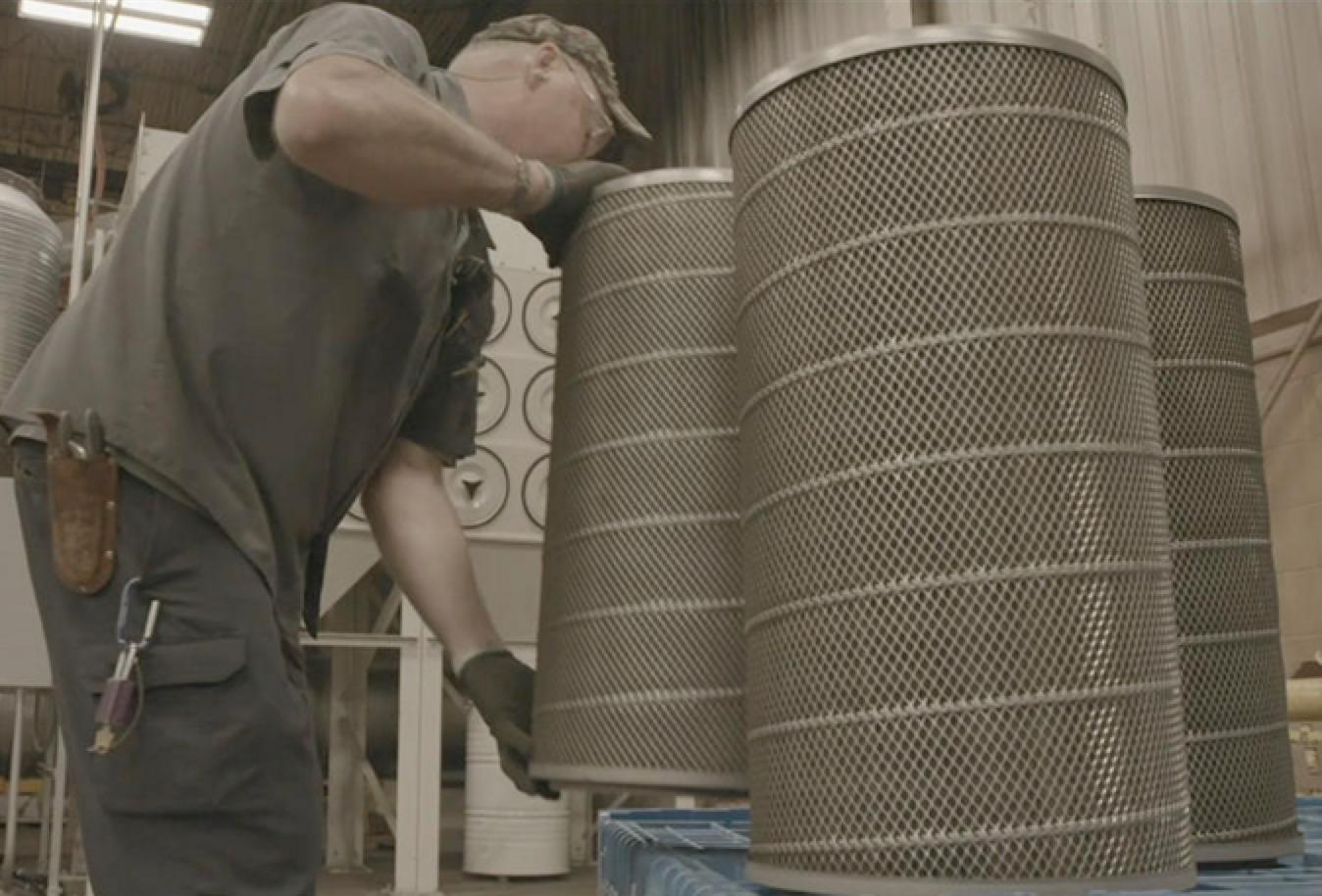
What Is the Typical Lifespan of a Filter Cartridge?
Under average industrial conditions, pleated filter cartridges last between 6 and 18 months. Heavy-duty applications with fine, sticky, or abrasive dust may need replacement every 3 to 6 months. Clean, coarse dust systems can run 24 months or longer with proper pulse cleaning.
Typical replacement intervals by dust type:
- Welding fume and laser smoke: 4 to 8 months
- Fine powder (toner, flour, pigment): 6 to 12 months
- Wood dust and general machining: 8 to 14 months
- Coarse metal chips and bulk materials: 12 to 24 months
5 Signs It Is Time to Replace Your Filter Cartridges
1. Rising pressure drop across the collector
If differential pressure climbs above 1500 Pa (6 inches w.g.) and pulse cleaning no longer brings it back down, the media is blinded and needs replacement.
2. Visible dust at the exhaust outlet
Dirty discharge air means the filter has developed pinholes, seal leaks, or media breakthrough. This is the most urgent warning sign.
3. Damaged end caps or gaskets
Cracked end caps, deformed flanges, or compressed gaskets cause unfiltered air to bypass the media. Replace the cartridge even if the media looks clean.
4. Pulse cleaning is no longer effective
If the diaphragm valves fire but pressure drop stays high, the pores inside the pleats are loaded with dust that reverse airflow cannot remove.
5. Visible tears, holes, or oil saturation
Inspect each cartridge during planned shutdowns. Any tear larger than a pinhole, or oil-saturated media that smells, means replacement.
Why Cartridges Wear Out Early
Most premature failures are caused by:
- Poor pulse cleaning timing or faulty diaphragm valves
- Airflow too high for the media area
- Moisture or oil entering the collector, causing dust to cake
- Incorrect media type for the dust (e.g. polyester for sticky fume)
- Leaking gaskets allowing unfiltered dust to bypass
How to Extend Filter Cartridge Life
- Set pulse cleaning to fire only on demand, not on a fixed timer
- Maintain correct compressed air pressure at 0.4 to 0.6 MPa
- Pre-separate large chips and sparks before they reach the cartridges
- Replace gaskets every time you change cartridges
- Use the correct media: PTFE membrane for fine/sticky dust, antistatic for combustible dust
Why MEGAVOR INDUSTRIES
We supply replacement pleated filter cartridges in standard and custom sizes, with polyester, antistatic, and PTFE membrane options. Every batch ships with efficiency test data. We help customers match the correct media to their dust type to maximize service life.
Frequently Asked Questions
Can I clean and reuse a used filter cartridge?
Dry pulse cleaning extends life but does not fully restore performance. Once pressure drop stays high even after cleaning, the cartridge must be replaced. Washing is not recommended for pleated industrial cartridges.
Should I replace all cartridges at once?
Yes, in most collectors. Replacing only dirty cartridges creates uneven airflow and causes new cartridges to load faster. Replace the entire bank during one shutdown.
How do I know the correct replacement cartridge size?
Measure the old cartridge: outer diameter, inner diameter, length, and flange/end cap style. Cross-reference with your collector model number. MEGAVOR can match dimensions from a photo or drawing.
Key Takeaways:
- Most filter cartridges last 6 to 18 months under normal conditions
- Rising pressure drop and dirty exhaust are the top two warning signs
- Replace the full cartridge bank at once, not individual units
- Correct media selection and pulse cleaning directly extend service life
Request a Quote
If you have a similar application, send us the product details, photos or dimensions.
Request a Quote